Field notes
How to read a pharmacy shortage list without losing the afternoon
A practical way for operators to sort shortage notes into true stock-outs, delayed receipts, and counting mistakes.
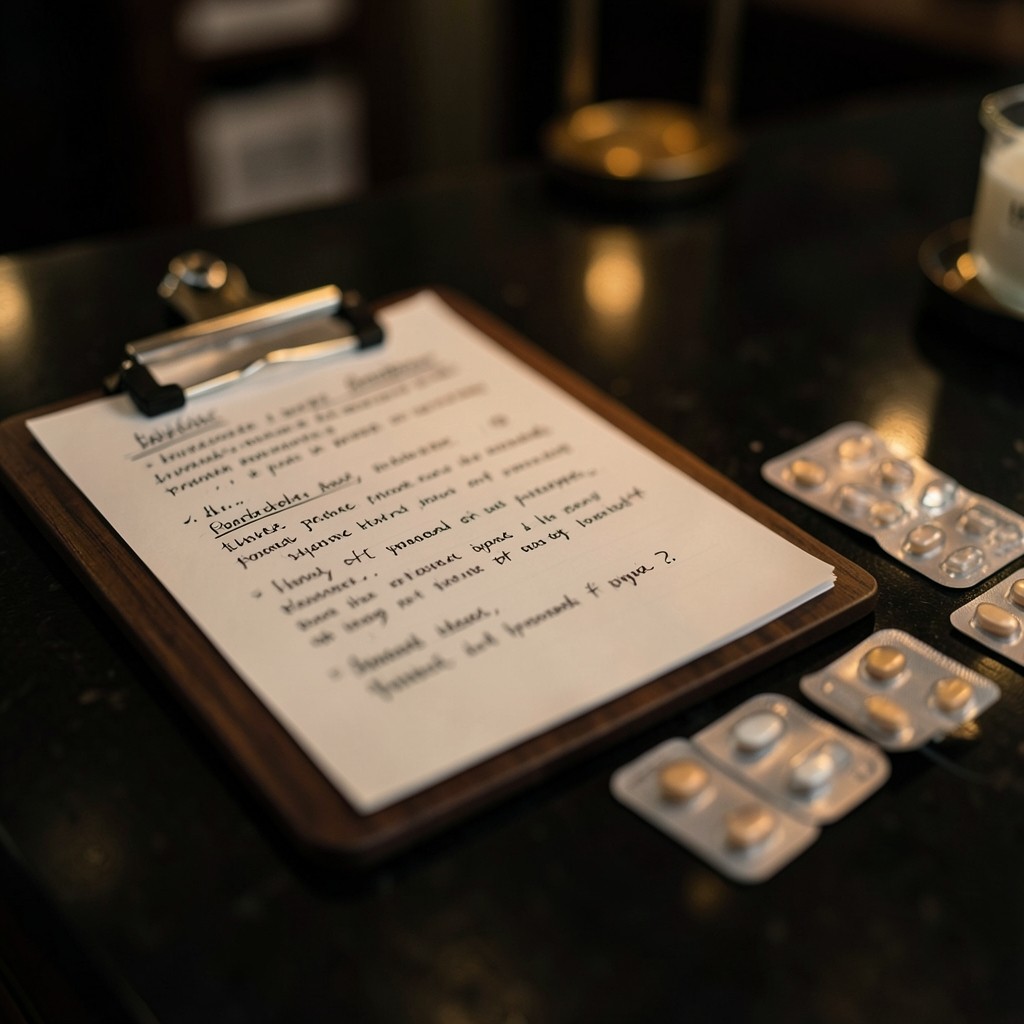
Shortage lists grow quietly. A counter assistant writes a name, a supplier call gets postponed, and by Friday the page looks longer than the week felt. Operators who try to fix every line in one sitting usually leave with more anxiety than clarity.
Start by separating three kinds of lines. True stock-outs are items patients asked for today and you could not supply. Delayed receipts are items already ordered with a known arrival. Counting mistakes are items that exist in the storeroom but were missed on the floor.
For true stock-outs, mark the ones that affect chronic patients first — hypertension, diabetes, and regularly refilled antibiotics. Those deserve a same-day supplier call. Cosmetics and slow seasonal SKUs can wait for the next purchasing round.
Delayed receipts need a date, not another urgent label. Write the promised arrival beside the line. If the date slips twice, move that SKU into a conversation with the supplier rather than another internal reminder.
Counting mistakes shrink when you keep a short ‘look again’ zone list: top shelf near the window, back of the cold cabinet, and the overflow carton under the counter. Those three places hide more stock than most managers expect.
End the week with a ten-line summary for yourself: five true stock-outs still open, three delayed receipts with dates, and two counting corrections already fixed. That page is short enough to discuss with a branch manager without turning the meeting into a spreadsheet reading.